Jackson, CA Property Safety: Identifying Potential Tree Hazards
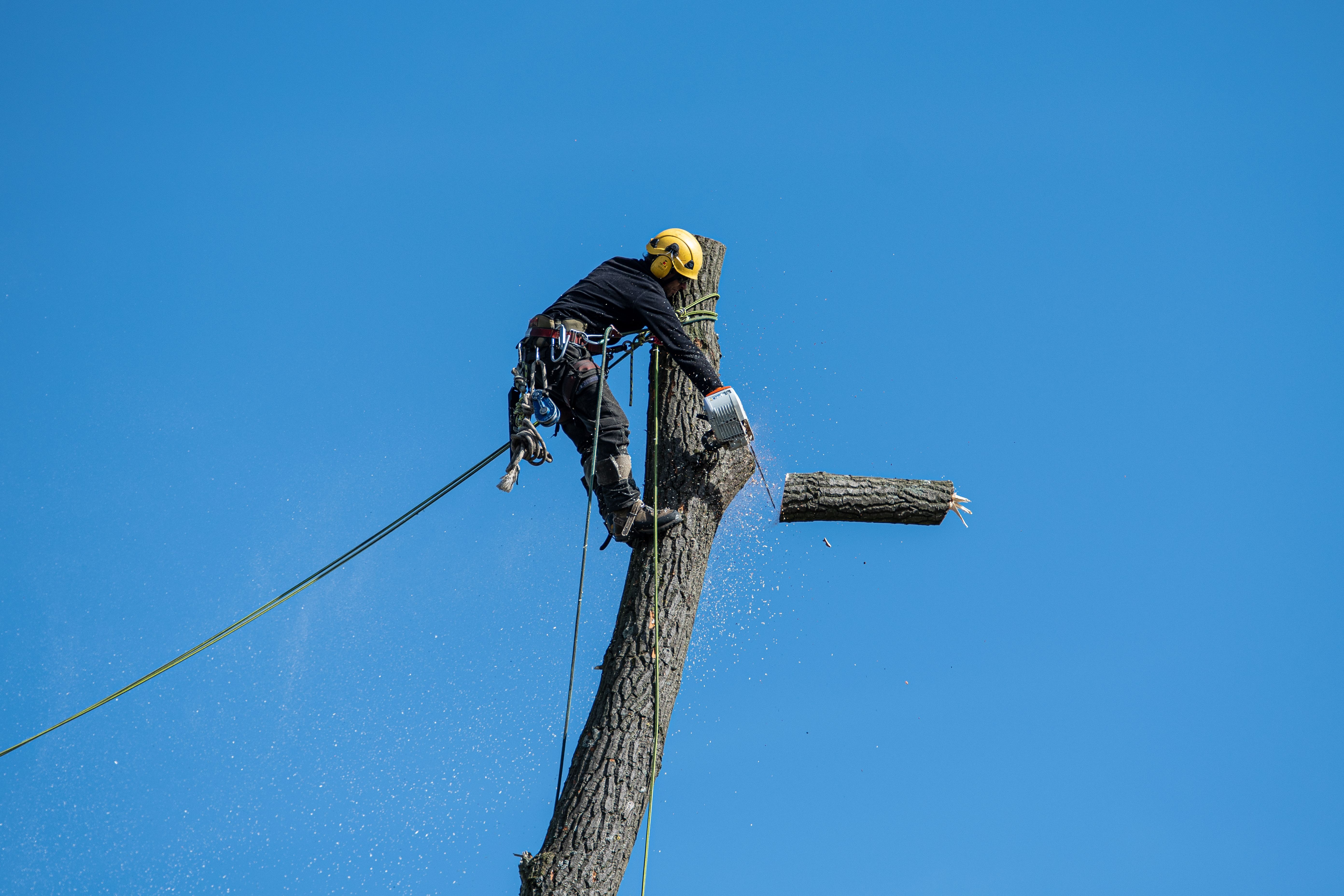
Trees add shade, beauty, and value to your home. They also carry risk when they get old, sick, or damaged. If you own property in Jackson, CA, you need to know what a hazardous tree looks like. A quick check now can save you from a costly or dangerous problem later.
This guide shows you how to spot the warning signs. It also explains when to call a pro and how to keep your yard safe all year. Spotting potential tree hazards early gives you time to act before a storm makes the choice for you.
Why Tree Safety Matters in Jackson, CA
Jackson sits in the Sierra foothills. Many properties here have tall pines, old oaks, and mature cedars. These trees grow in a region with hot, dry summers and wet, windy winters. That mix puts a lot of stress on them.
Drought weakens roots and limbs. Heavy rain then softens the soil. Strong wind finishes the job. A tree that looked fine in summer can fall in the first big storm of the season.
The Real Cost of Ignoring a Hazard
A falling tree can crush a roof, block a driveway, or take down a power line. Repairs add up fast. Worse, someone could get hurt. You can prevent most of these events with a regular inspection and quick action.
Local Conditions That Raise the Risk
Foothill properties often sit on slopes. Roots on a slope have less support, so trees lean more easily. Dry brush and dead wood also add fire risk during summer. If you live in Jackson, CA, tree care ties directly to home safety.
Warning Signs of a Hazardous Tree
You do not need to be an expert to spot trouble. Walk your property and look at each tree from the ground up. Take your time and view it from several sides.
Dead or Dying Branches
Dead limbs are the most common hazard. They look dry, brittle, and bare while the rest of the tree has leaves or needles. They can snap without warning, even on a calm day.
Pay close attention to large dead limbs that hang over your roof, driveway, or play area. Those are the ones that cause the most damage.
Cracks, Splits, and Cavities
Look at the trunk for deep cracks or long splits. A crack that runs up the trunk means the wood has lost strength. Hollow spots or cavities also point to internal decay.
A tree can look healthy on the outside and still be weak inside. If you see a large hole or a crack that keeps growing, treat it as a serious sign.
Leaning Trees
Some trees lean a little and stay stable for decades. A sudden lean is different. If a tree starts to tilt after a storm, the roots may have shifted. Look for cracked soil or raised dirt near the base. Those clues mean the roots are pulling loose.
Fungus and Mushrooms
Mushrooms or shelf-like growths at the base of a tree often mean the wood is rotting. The fungus feeds on the roots or trunk. Once decay sets in, the tree can lose its grip on the ground.
Peeling Bark and Dead Patches
Bark protects the tree like skin protects you. Large areas of missing bark show damage. The tree may have disease, insect trouble, or an old wound that never healed.
Common Tree Problems in the Foothills
Different trees have different weak points. Knowing what to expect helps you check the right things.
Pine Trees and Beetle Damage
Pines in this area often face attacks from bark beetles. These insects tunnel under the bark and cut off the tree’s water supply. Look for small holes, sawdust-like dust on the trunk, and needles that turn yellow or red. Drought makes pines easy targets, so check them often.
Oak Trees and Root Stress
Oaks are tough, but they dislike changes near their roots. Digging, paving, or adding soil around the base can harm them. Overwatering in summer can also cause root rot. A struggling oak may show thin leaves, dead tips, or early leaf drop.
Storm Damage
Wind and heavy snow can leave hidden damage. A limb may look fine but have a small tear where it joins the trunk. Check your trees after every major storm. Look for hanging branches, split trunks, and broken tops.
How to Inspect Your Trees Safely
A simple routine works best. Plan to check your trees at least twice a year. Spring and fall are good times. Always check after a big storm too.
A Simple Walk-Around Checklist
Use these steps as you look over each tree:
- Look at the top for bare or dead branches.
- Check the trunk for cracks, holes, or missing bark.
- Scan the base for fungus, soft soil, or exposed roots.
- Note any leaning or new movement.
- Check what sits beneath the tree, such as a house, shed, or car.
Take photos each time. Photos make it easy to see changes over the months.
What You Should Not Do Yourself
Stay on the ground. Do not climb a tree or use a ladder to cut large limbs. Chainsaws and tall trees are a dangerous mix, and falls cause serious injuries. Leave high work and large removals to trained crews.
When to Call a Tree Professional
Some signs call for a pro right away. Do not wait if you see a large crack, a heavy lean, or a big dead limb over your home. The same goes for any tree near a power line. Stay away from the line and call the utility company and a qualified crew.
A trained arborist knows how to judge a tree’s health. They can tell if a tree needs trimming, support, or removal. For help in your area, you can reach out to visit here Jackson tree service experts who handle hazard checks, removal, and full cleanup.
What a Good Tree Crew Does
A reliable team inspects the tree first and explains the options. They use the right gear and follow safety rules. They also protect your lawn, roof, and fences during the job. After the work ends, they haul away the debris so your yard is clean and ready to use.
Ask about insurance and experience before you hire anyone. A trusted company will answer with no pushback.
How to Prevent Tree Hazards Before They Start
Good care keeps trees strong. A little effort each year lowers your risk.
Prune on a Schedule
Regular pruning removes weak limbs and improves the tree’s shape. It also lets wind pass through the canopy. Prune dead wood every year. Schedule larger cuts during the right season for your tree type.
Water and Feed Wisely
Young trees need steady water. Mature trees need deep watering during long dry spells. Avoid shallow, frequent watering, because it keeps roots near the surface. Add mulch around the base, but keep it away from the trunk.
Protect the Roots
Keep heavy equipment off the root zone. Avoid piling soil against the trunk. Roots reach far past the branches, so protect the whole area under the canopy.
Create Defensible Space
In Jackson, CA, fire safety matters just as much as storm safety. Clear dead branches and dry brush from around your home. Trim limbs that hang near the roof or chimney. This step helps slow a fire and gives crews room to work.
Build a Safer Property in Jackson, CA
Healthy trees make your property better. Hazardous ones put your home and family at risk. Walk your yard often, watch for the warning signs, and act early. Small fixes cost far less than storm damage.
If you want to enjoy more of what the area offers once your yard is in good shape, learn more about the historic landmarks and nearby adventures around town.
A safe yard lets you relax and enjoy your home. Check your trees today, and call a pro when you see a problem.